
The Study Of Black Families’ Response To COVID In The Support Of Mathematics Learning
Summary
This project used a mixed methods case study design to amplify how Black families make decisions and leverage resources in support of their children's mathematics education during COVID-19.
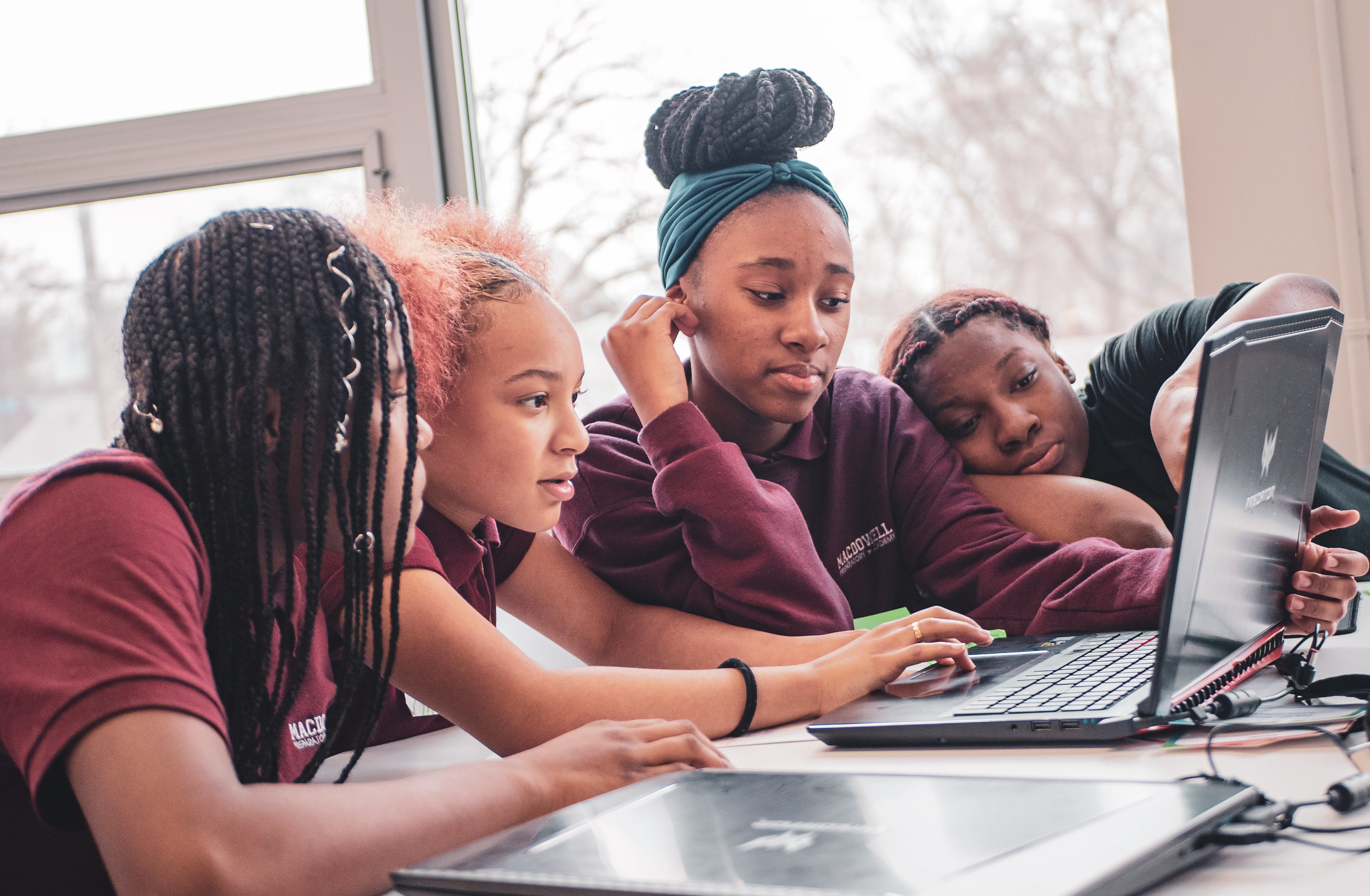
The project: COVID-19 further exposed the racial inequalities within the U.S. This project used a mixed methods case study design to amplify how Black families make decisions and leverage resources in support of their children’s mathematics education during COVID-19.
The process: Researchers conducted surveys and interviews on:
- how Black families navigate decision-making related to educational offerings during the pandemic;
- everyday forms of school participation;
- whether and how parents and children may refuse to participate in everyday school activities; and
- resources families may access to support their children’s educational success.
Results: Four themes emerged, which can inform post-COVID educational efforts:
- The struggle of being heard: Parents and caregivers of Black children, particularly children with disabilities and exceptionalities, described their challenges in providing feedback to teachers and administrators regarding what they noticed about their children’s learning and progress, as well as how the structure of schedules and other academic demands were affecting their families.
- Power and pitfalls of technology: Some parents and caregivers of Black children were able to use technology in innovative ways to support their children’s academics. However, other parents were overwhelmed by the technology and were not able to support their children in moving to online learning. Socio-economic status seems to be a mediator of the children’s success with leveraging technology.
- Social and material resources matter: Middle-class families used their financial resources to hire tutors and purchase laptops. However, even middle-class Black families experienced limitations to their resources. Families with far fewer financial resources relied on their formal and informal social networks for academic support. Both middle- and lower-income families relied on family members who were educators to assess their child’s progress and readiness for the next grade level.
- Math-specific issues: Mathematics seemed to pose the most challenges with respect to remote learning. Parents described the pacing as too fast and asking questions to be too difficult for their children.
Maisie L. Gholson, School of Education, University of Michigan
Danny Martin, College of Education, University of Illinois at Chicago
Erika Bullock, School of Education, University of Wisconsin-Madison