Poverty Research to Meet the Moment:
Deep expertise on social safety net policies matters more than ever as federal policies are changing fast. At Poverty Solutions at the University of Michigan, we’re committed to working with community organizations and policymakers to find evidence-based ways to prevent and alleviate poverty through action-based research.
In 2025, our researchers helped protect federal funding for students experiencing homelessness, expanded an infant cash assistance program across Michigan, evaluated promising violence intervention strategies in Detroit, and much more. Lessons learned along the way can inform how we work together to reimagine systems like housing, jobs, and education to better meet the needs of people with low incomes.
Stay informed and engaged with this work by subscribing to the Poverty Solutions newsletter and following Poverty Solutions on LinkedIn. You also can donate to support poverty research at the University of Michigan.
Leadership Transition

Luke Shaefer and Kristin Seefeldt
Founding Faculty Director Luke Shaefer has accepted a new role as Chief Executive of Health, Human Services, and Poverty Solutions for the City of Detroit, effective in February 2026. While this is bittersweet news for Poverty Solutions, we are excited for Luke to begin this new chapter that builds on Poverty Solutions’ work in Detroit.
Meanwhile, Kristin Seefeldt, who is currently senior associate faculty director, will step in as faculty director. Seefeldt will lead Poverty Solutions in continuing to point to evidence-based strategies for poverty alleviation. Also, Natasha Pilkauskas joined Poverty Solutions as associate faculty director in the fall of 2025.

What You’ll Find in this Report
Safeguarding Support for Students
Protecting the McKinney-Vento Act
Protecting the McKinney-Vento Act
The president's proposed 2026 federal education budget called for eliminating dedicated funding tied to the McKinney-Vento Act, which is the federal law that provides the educational rights of students experiencing homelessness. Jennifer Erb-Downward director of housing stability programs and policy initiatives at Poverty Solutions, worked in coordination with nonprofit and advocacy partners to raise awareness in multiple media interviews and op-eds that pointed to their research on how schools have used that funding in the past. The U.S. House and Senate have since proposed budget bills that maintain dedicated funding to help schools identify and serve students experiencing homelessness. Also, Poverty Solutions' research on student homelessness in New York led the New York State Education Department to propose a change to the state's school funding formula that would send more money to schools to serve students experiencing homelessness.
See news coverage and an op-ed on the significance of federal funding to support students experiencing homelessness
Bringing Transparency to Federal Education Funding
Bringing Transparency to Federal Education Funding
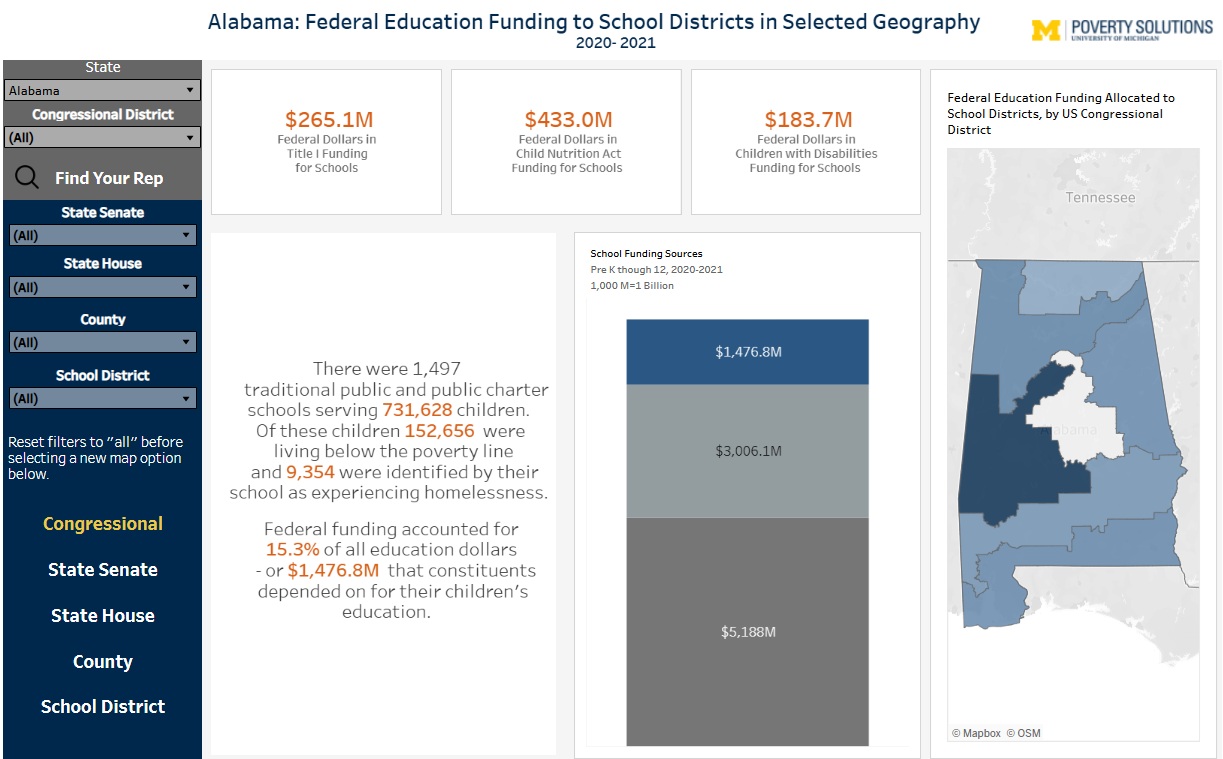
When federal policymakers proposed defunding the U.S. Department of Education, Poverty Solutions took action to inform the conversation. We released a data tool that shows how federal education funds are distributed to local school districts in each state and U.S. Congressional district. This resource helped advocacy groups make a strong case for keeping funding for at-risk students, school nutrition, special education, and vocational programs. The data tool has been viewed more than 20,000 times since it was published one year ago.
Use the Federal Education Funding Data Tool
Scaling Evidence-Based Approaches to Cash Assistance
Prescribing Cash & Hope to Moms Across Michigan
Prescribing Cash & Hope to Moms Across Michigan
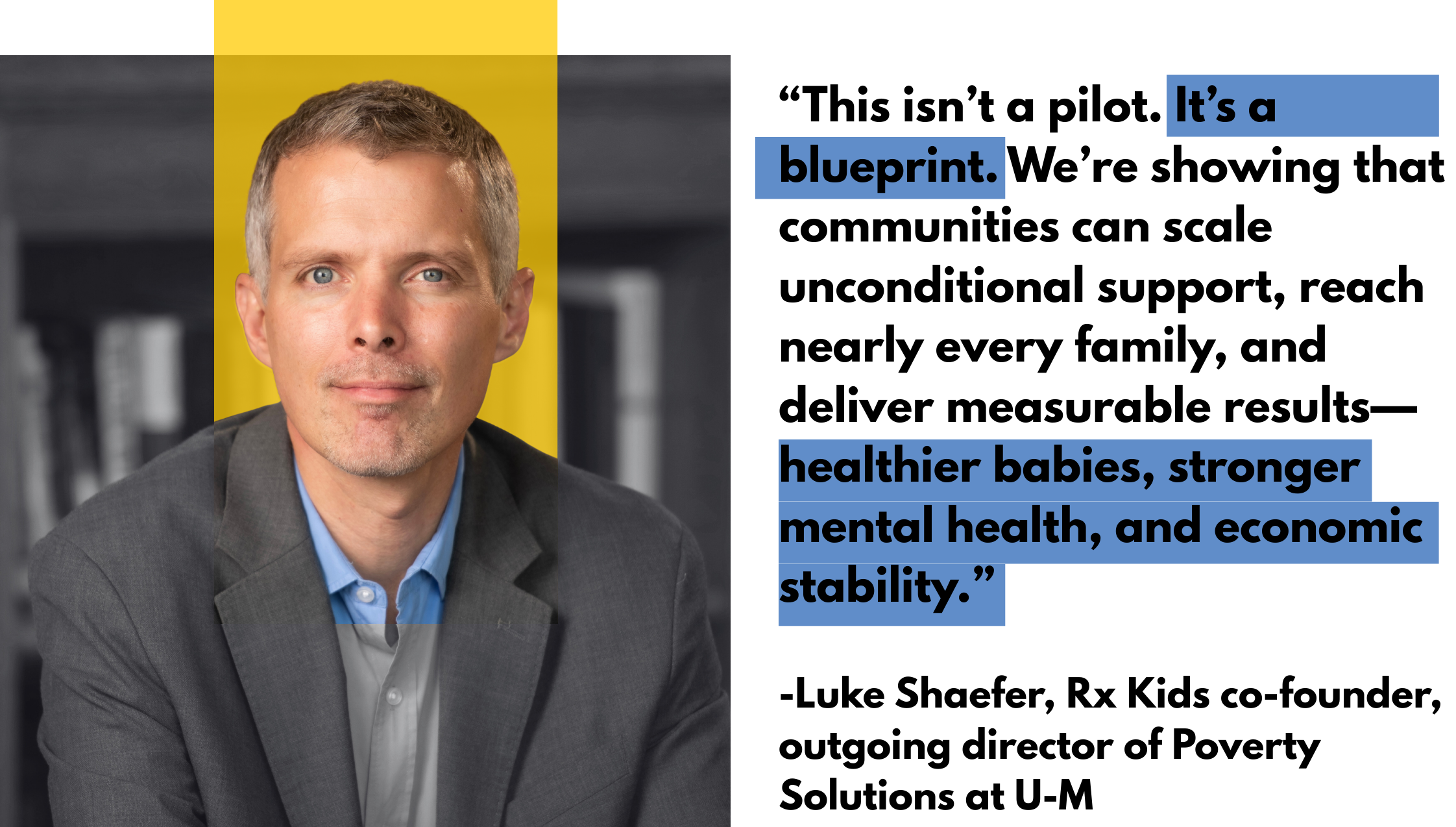
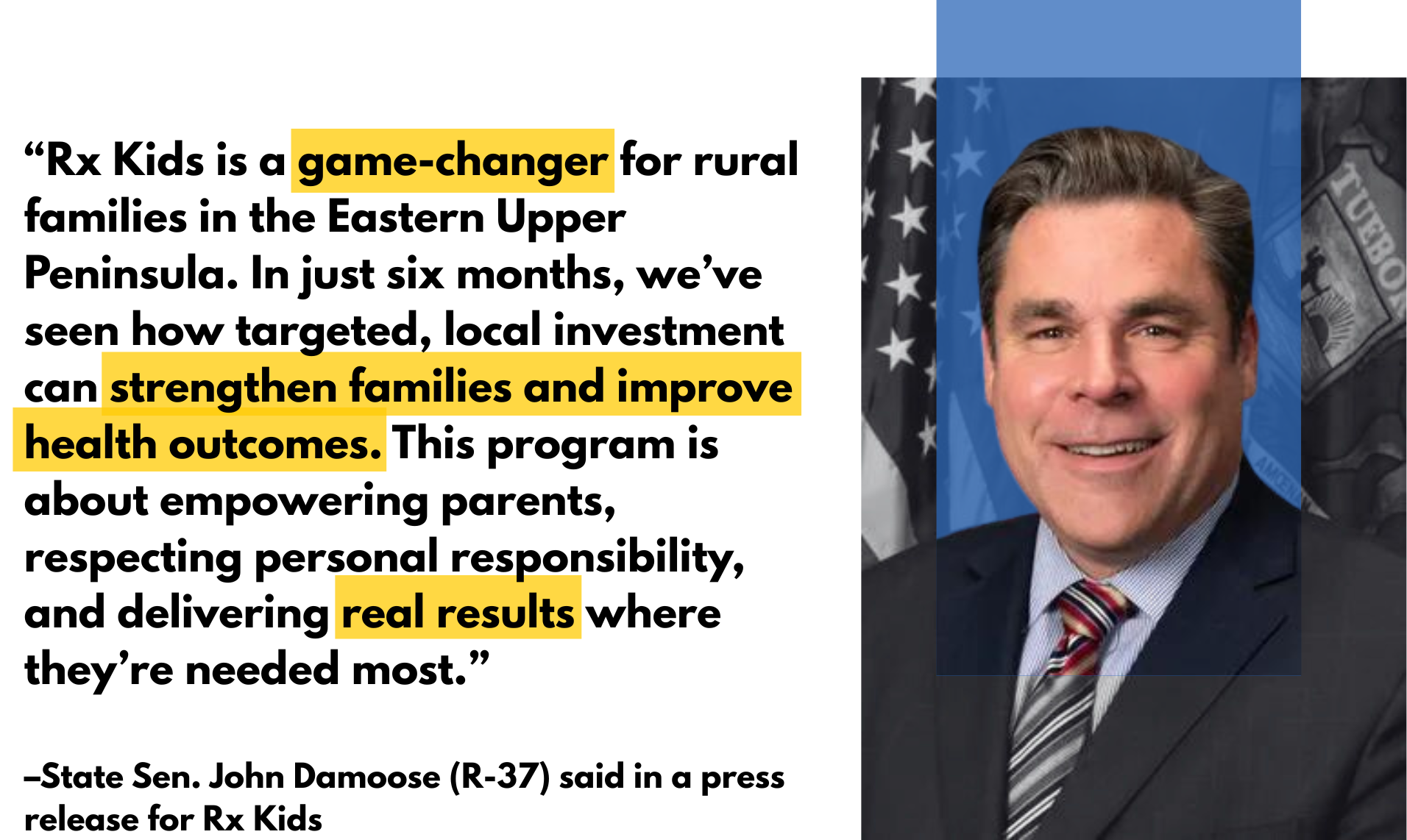
Launched in Flint, Michigan, two years ago, Rx Kids is the nation’s first-ever community-wide prenatal and infant cash “prescription” program. Through the program, moms receive $1,500 during pregnancy, and $500 per month for the first 6-12 months after the birth of a child. In October 2025, the State of Michigan committed a further $270 million to the program, with the goal of reaching one-third of babies born in Michigan over the next three years. Other states, like Mississippi, have started discussions about launching their own versions of Rx Kids; the simple design and mix of public-private funds make the program easily replicable.
How does Rx Kids work?
Backing Families & Changing Communities
Backing Families & Changing Communities
Multiple research publications studying the impact of Rx Kids in Flint show:
- Improvements in maternal mental health;
- Evictions fell 4.2 percentage points for participating families;
- An estimated $6.2 million in annual health care savings due to improved infant health (fewer preterm births, low birth weights, Neonatal Intensive Care Unit admissions);
- An estimated 100-200 additional jobs in Michigan annually; and
- For every dollar in cash assistance delivered, Rx Kids contributes an additional 60 cents to $3 to the state economy, with most of those dollars circulating locally.
Findings from Year One of Ann Arbor's Guaranteed Income Pilot
How GIG A2 Participants Used the Guaranteed Income in Year 1
Percentage of guaranteed income recipients (out of 86 people who responded to survey)
Food (groceries, eating out, take out)
Household supplies & personal care products
Rent and mortgage
Clothing, accessories & shoes
Utilities & telecommunications
Paying down credit card, student loans, or other debts
Vehicle payments
Savings or investments
Other (including health, work expenses & travel)
Household items (TV, electronics, furniture, appliances)
Recreational goods (sports & fitness equipment, bicycles, toys, games)
Charitable donations or giving to family members
Findings from Year One of Ann Arbor's Guaranteed Income Pilot
Poverty Solutions has been operating and evaluating the Guaranteed Income to Grow Ann Arbor (GIG A2) pilot program, which ended in December 2025 after two years of providing monthly payments of $528 to 100 gig workers and entrepreneurs with low incomes. The research team led by incoming Poverty Solutions Faculty Director Kristin Seefeldt has published interim findings on how the monthly payments affected people’s well-being, sense of community belonging, and entrepreneurial efforts one year into the pilot, and they are working on final evaluations.
See findings from the first year of the pilot
Making a Difference in Detroit
Detroit Partnership on Economic Mobility

Detroit Partnership on Economic Mobility
Detroit’s incoming Mayor Mary Sheffield hired Poverty Solutions’ Director Luke Shaefer as chief executive of the City’s Health, Human Services, and Poverty Solutions Office. Shaefer worked closely with former Mayor Mike Duggan through the Detroit Partnership on Economic Mobility that Poverty Solutions established in 2018. The Partnership creates high-impact opportunities for the City of Detroit and community-based organizations to work with U-M scholars to identify and implement evidence-based strategies that significantly improve economic opportunity. For example, Poverty Solutions is evaluating the impact of Detroit’s ShotStoppers program and exploring connections between violence intervention and economic mobility. Below are other recent examples of the Detroit Partnership's work and impact.
Learn more about the Partnership on Economic Mobility
Closing the Digital Divide & Supporting Small Business Owners

Closing the Digital Divide & Supporting Small Business Owners
In 2019, Detroit was among the nation’s least digitally connected major cities. In response, Poverty Solutions and the City of Detroit Mayor’s Office hired a digital inclusion fellow who later became the city’s first director of digital inclusion and laid the groundwork for a citywide digital inclusion strategy. U-M continues to support digital inclusion in Detroit through a program that trains community residents and U-M students to teach Detroit small business owners how to use digital tools. The program grew as a result of a seed grant from Poverty Solutions, and incoming Faculty Director Kristin Seefeldt is part of a current study to assess how to further scale the community tech workers model.
Learn more about the impact of the Community Tech Consultants program
Responding to Housing Needs
Responding to Housing Needs
Poverty Solutions has addressed affordable housing needs in Detroit through research on eviction and foreclosure prevention, land contracts, home repair needs, low-income housing tax credits, and more. In 2025, we updated the Detroit Home Repair Resource Guide that we originally published in 2019 to make it more user-friendly and include lead-safe home information. Our researchers conducted an assessment of why so many Detroit homeowners lack insurance. Partnering with the Detroit Phoenix Center, we produced a mini-documentary on Detroit's youth rapid rehousing program and convened events on the future of youth homelessness response in Detroit and the importance of meaningful youth engagement in social service design.
See the research on housing and homelessness
Amplifying Detroiters’ Voices & Priorities
Amplifying Detroiters’ Voices & Priorities
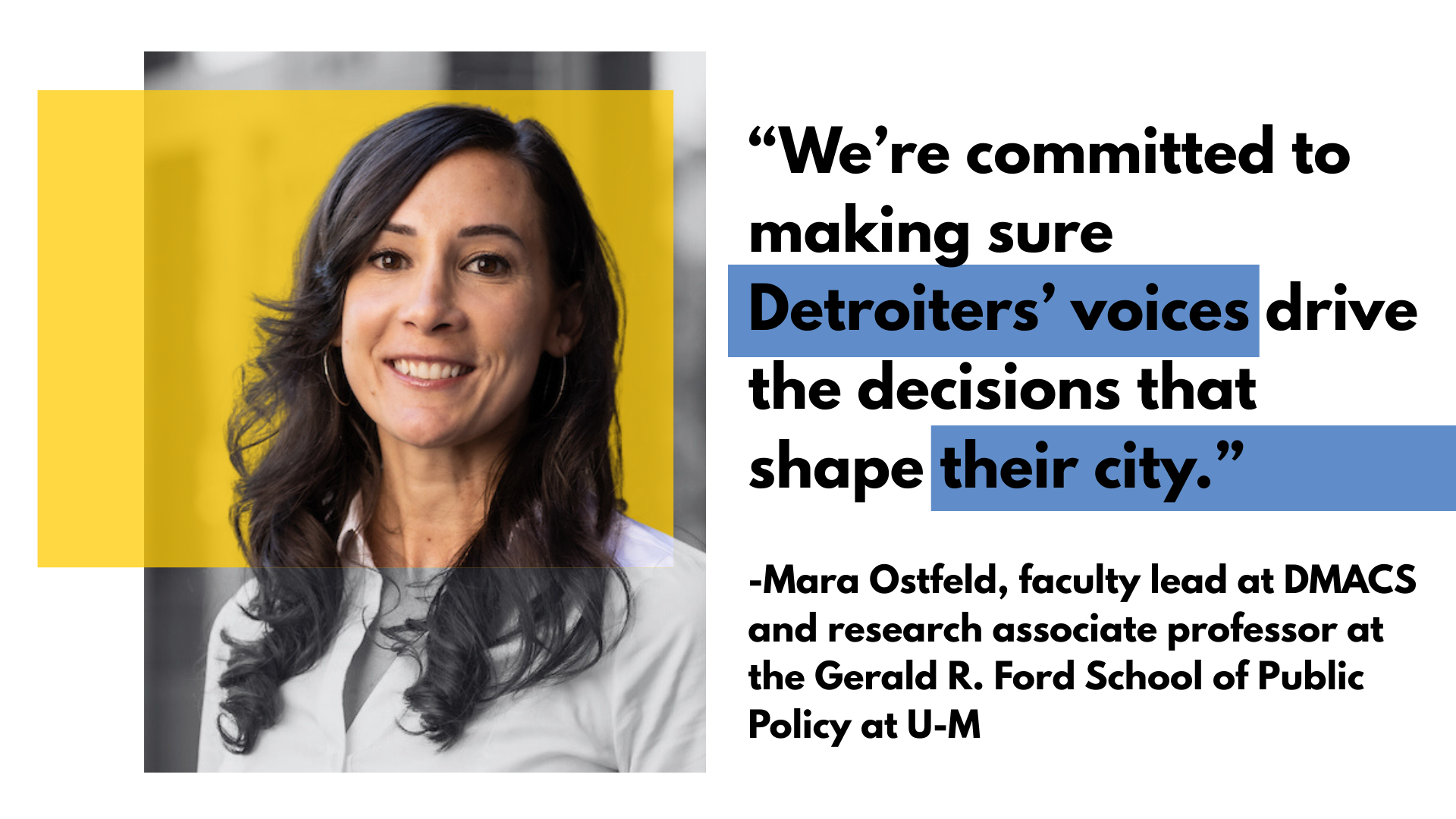
Now in its 10th year, the Detroit Metro Area Communities Study is an ongoing, representative survey that asks more than 2,000 Detroit residents annually about their priorities and lived experiences, using rigorous, state-of-the-science research methods. By co-creating the surveys with local partners – including city government, philanthropy and nonprofits – DMACS ensures resident voices reach leaders to inform decision-making. Going into Detroit's historic 2025 mayoral election, Poverty Solutions supported DMACS in publishing reports on Detroiters' likelihood of voting, the policy priorities and top challenges they want the new city administration to address, and their sentiments about the general direction of the city.
See how to work with DMACS to survey Detroiters
Training the Next Generation
Real-World Perspectives on Poverty Solutions
Real-World Perspectives on Poverty Solutions
Poverty Solutions’ annual speaker series featured eight experts and panels who offered diverse perspectives on the causes and consequences of poverty. The series drew a mix of community members, U-M faculty and staff, and 27 students who attended as part of a one-credit course this fall. The speaker series addressed topics like school vouchers, rehousing programs, mass deportation, and water justice, among several others.
Watch videos of the talks
Shaping the Future Workforce
Shaping the Future Workforce
SummerWorks – Washtenaw County’s summer youth employment program – celebrated a decade of paid internships and professional development for young adults. SummerWorks staff, who are part of the Poverty Solutions team, discussed how SummerWorks provides a path to economic mobility and more inclusive workplaces for Gen Z employees.
See the SummerWorks panel discussion
Engaging Students in Community-Based Research
Engaging Students in Community-Based Research
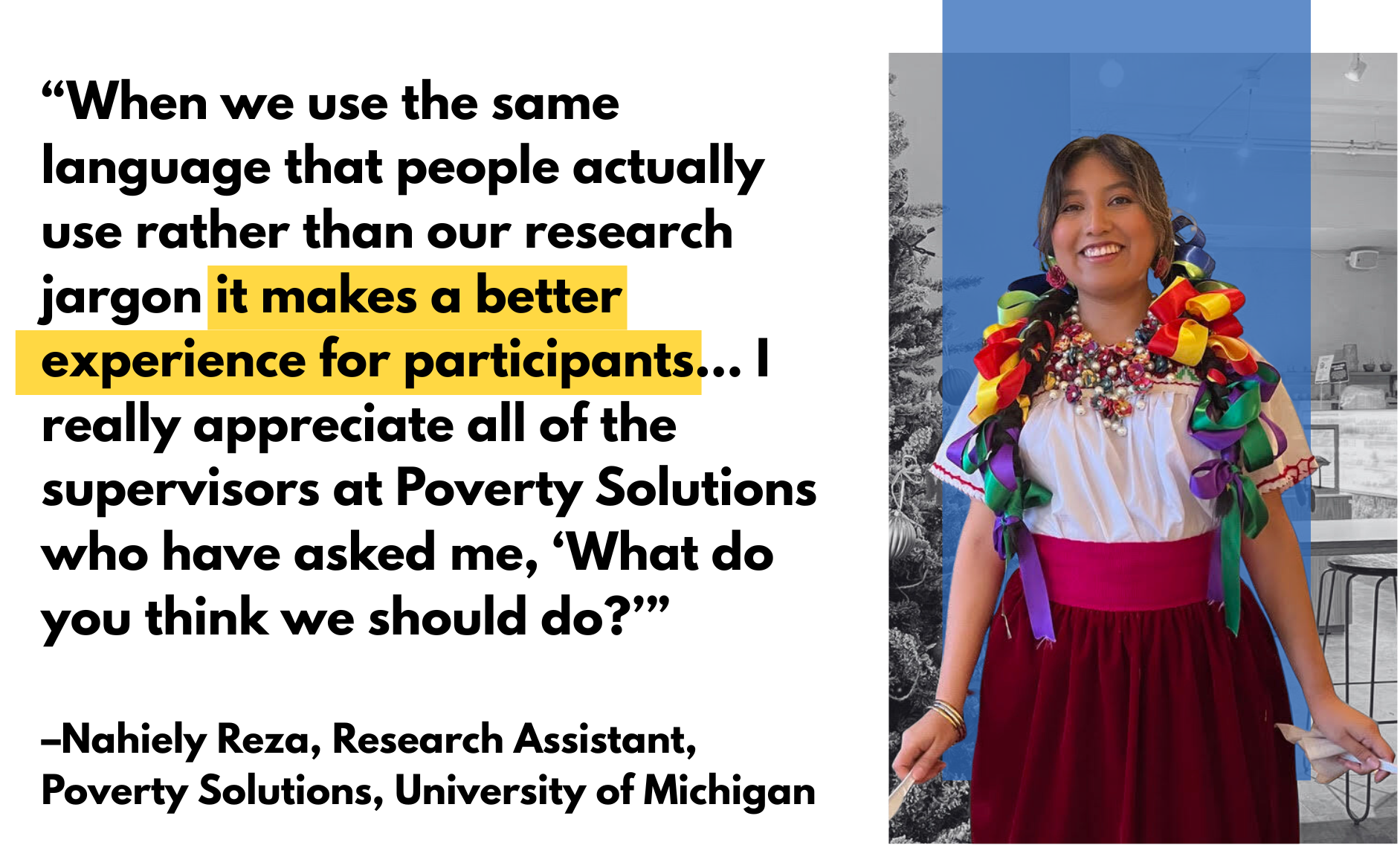
Poverty Solutions employs student research assistants to add capacity to our projects while providing students with hands-on experience doing action-based research. Student research assistant Nahiely Reza (MPH ‘24) discussed how Poverty Solutions invited her to combine her cultural heritage, natural community ties, and public health expertise in the research process.
Read the Q&A
Designing a New Approach to Eviction Forms
Designing a New Approach to Eviction Forms
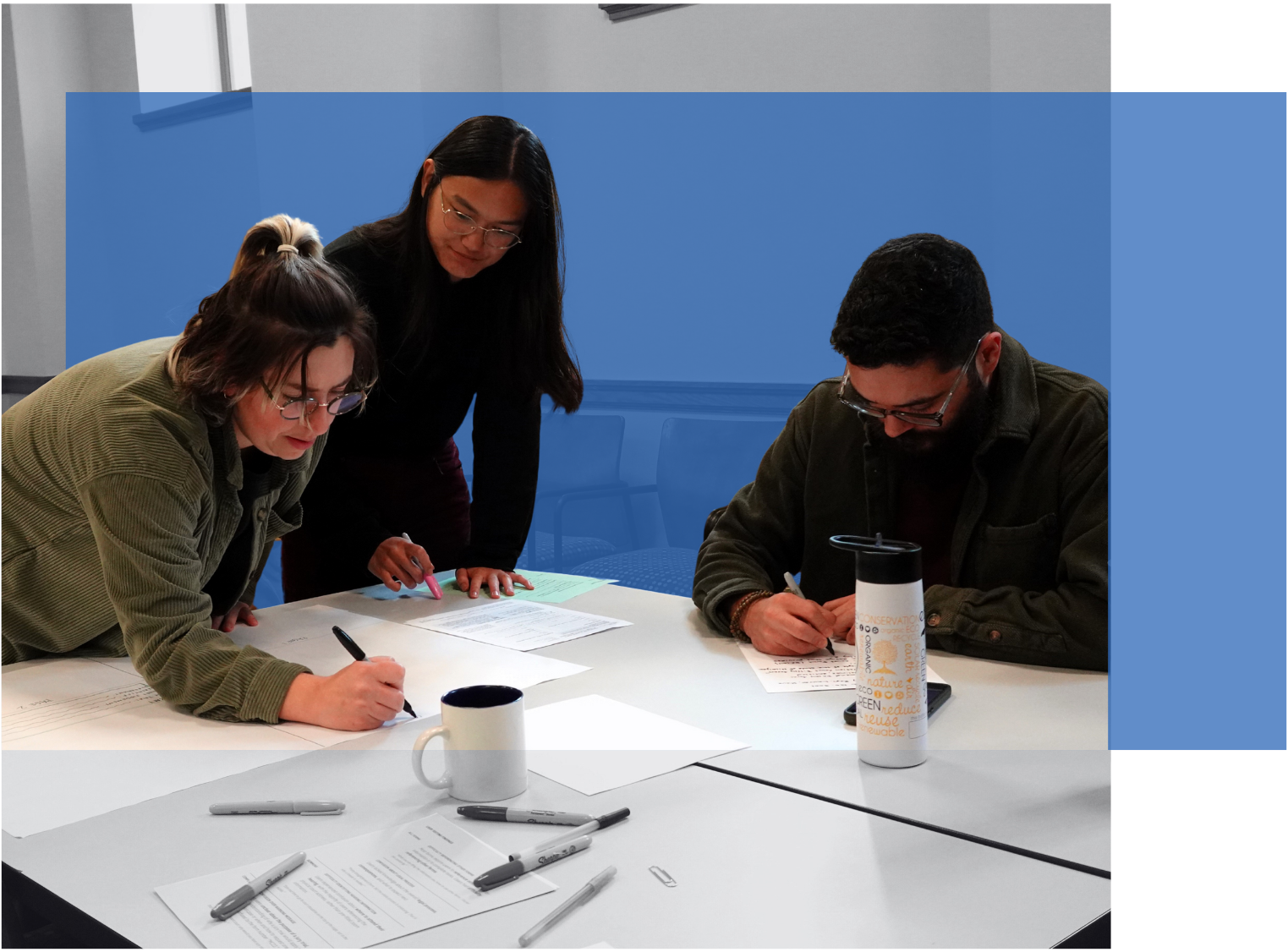
Poverty Solutions worked with U-M’s School of Information to host an eviction policy and civic design workshop that tasked students with simplifying Michigan’s eviction court forms. Students learned about the eviction process and then applied human-centered design principles to make the forms easier for tenants to navigate.
See what students learned at the workshop
Leading the Conversation on Poverty
Impact by the numbers in 2025
0
Research publications
0
Active research projects
0
Data tools published
0
Media mentions
0
Students employed
0
Social media engagements
Driving Change With Action-Based Research
Driving Change With Action-Based Research
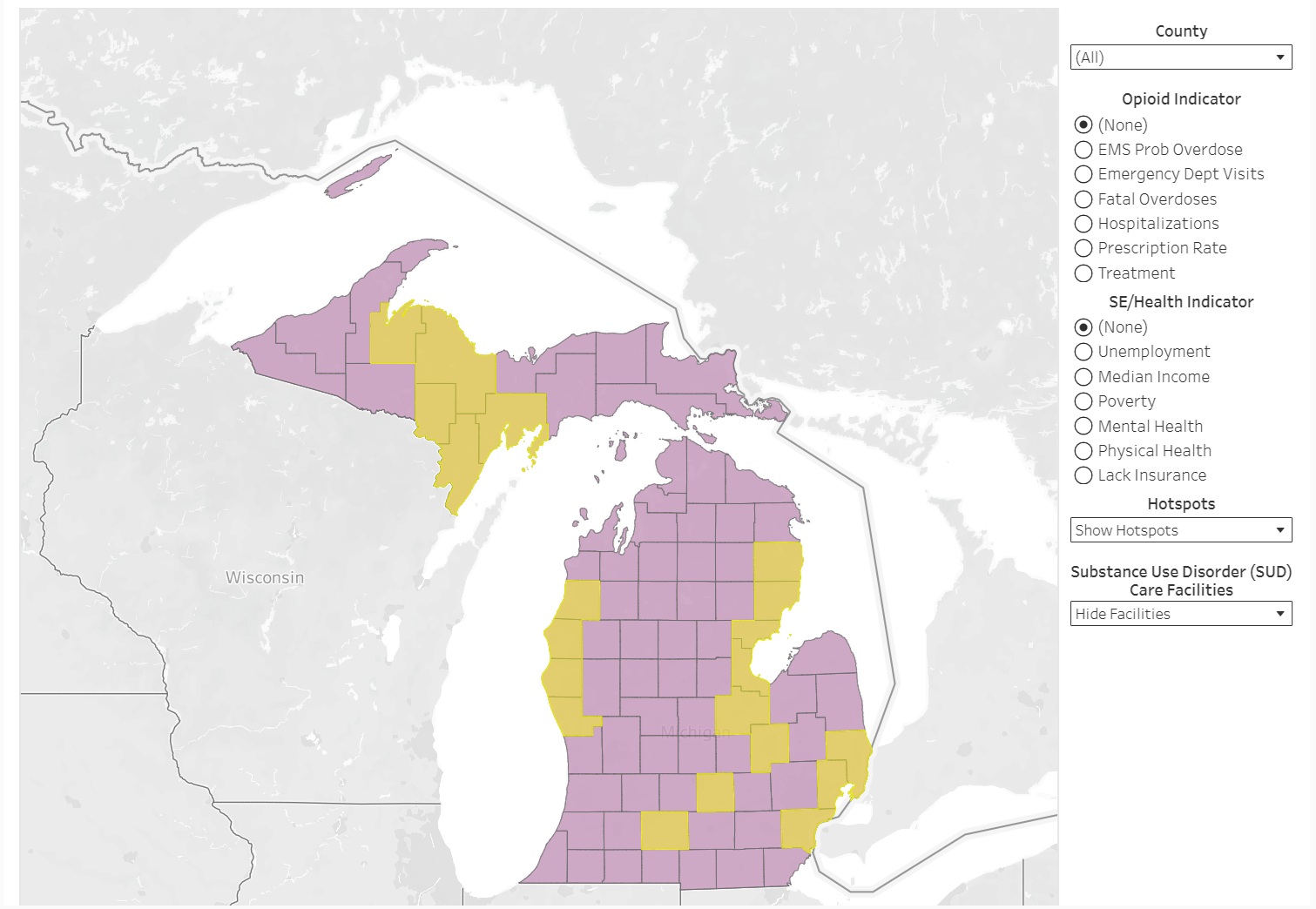
In 2025, outgoing Poverty Solutions Faculty Director Luke Shaefer chaired a National Academies of Sciences, Engineering, and Medicine committee that published a report to advise the nation on how to increase economic and social mobility for all Americans. Poverty Solutions Special Advisor Alexandra Murphy, of Mcity, guided the use of the scientifically-validated Transportation Security Index in communities across the country; Murphy and her colleagues developed the index with seed funding from Poverty Solutions. Poverty Solutions' Michigan Opioid Crisis data map informed the Overdose Prevention Engagement Network's efforts to engage health care providers and community members to prevent and address substance use.
Looking Ahead
Making Sense of Poverty Issues
Making Sense of Poverty Issues
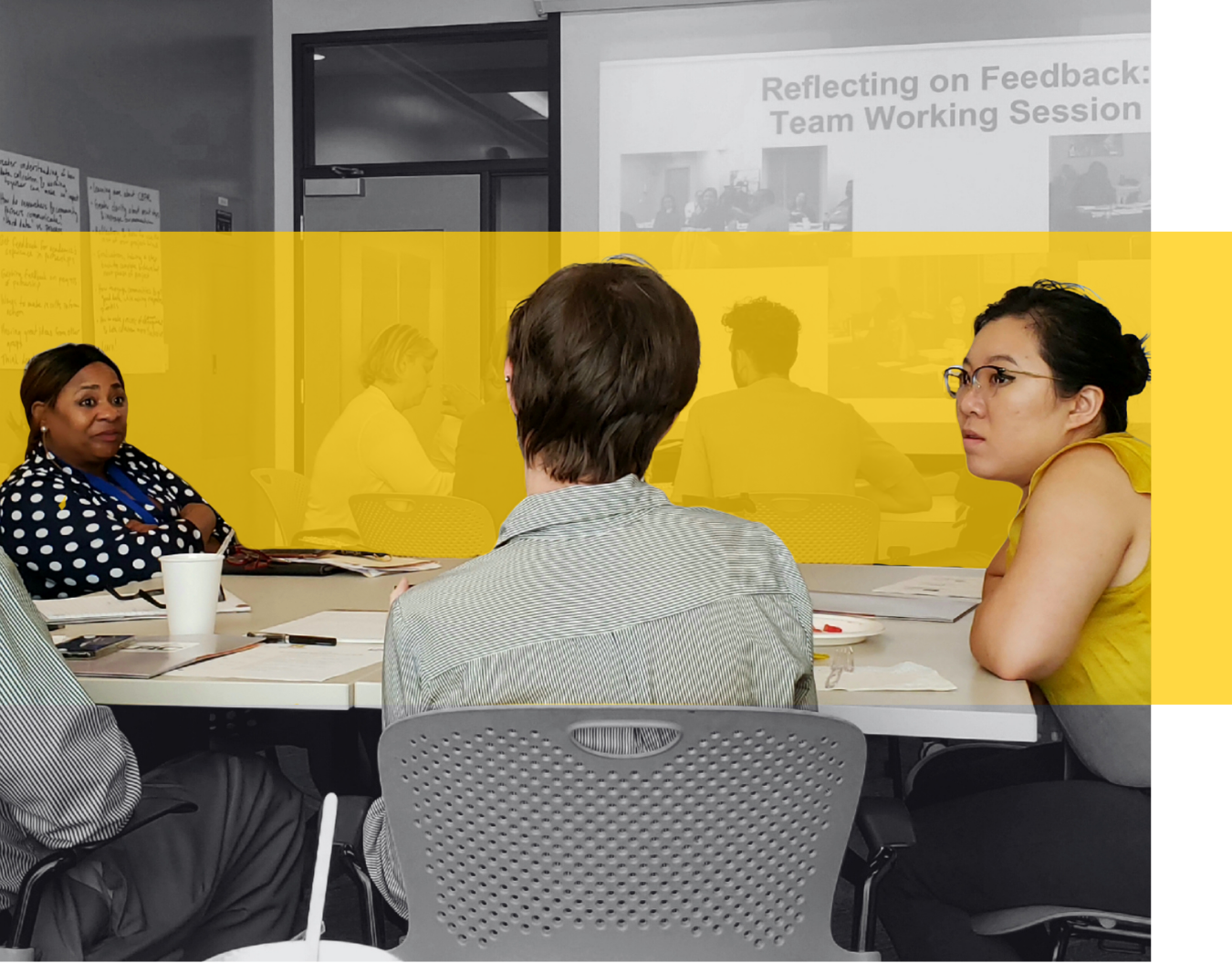
Our poverty scholars are tracking the ongoing impact of federal policy changes related to food assistance, government-funded health insurance, and other aspects of the safety net. Poverty Solutions continues to offer interactive data tools with poverty-related metrics by geographic area, briefs with actionable policy recommendations, in-depth reports, and other research publications on the following key issue areas: housing and homelessness, employment, economic mobility, education and opportunity, health, and cash assistance.
Dealing Everyone a Fair Hand

Dealing Everyone a Fair Hand
In a new engagement series, we are inviting our network to examine how poverty intersects with social systems and explore ways we can work together differently to create a future where everyone has a fair chance to achieve financial stability and thrive. In the game of life, everyone is dealt a different hand. It’s very much a game of chance, and for people with low incomes, the deck is often stacked against them. While some people are dealt strong cards – good schools, stable homes, access to health care – those in poverty start with fewer resources and more hurdles. The opportunities dealt to a person by local and federal policy shape people’s ability to improve their financial situations and lives. The deck is stacked.
Follow along and bring this conversation to your network on LinkedIn
The People Who Make the Work Possible
We are especially grateful for the funders of our 2025 research projects: American Civil Liberties Union of Michigan, Ann Arbor Area Community Foundation, C.S. Mott Foundation, City of Ann Arbor, City of Detroit, Doris Duke Charitable Foundation, Erb Family Foundation, Joyce Foundation, Kresge Foundation, Lighthouse, McGregor Fund, Michigan Department of Health and Human Services, Michigan Department of Labor and Economic Opportunity, Michigan Health Endowment Fund, Michigan State University, National Science Foundation, Rocket Community Fund, Russell Sage Foundation, SchoolHouse Connection, The Ownership Initiative, United States Department of Health and Human Services, United States Department of the Treasury, United Way for Southeastern Michigan, University of Michigan, University of Wisconsin, Wilson Foundation, W.K. Kellogg Foundation, and Washtenaw County. We appreciate the other individuals and organizations whose support and partnership make Poverty Solutions’ work possible.
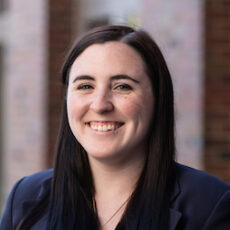
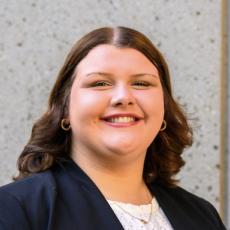
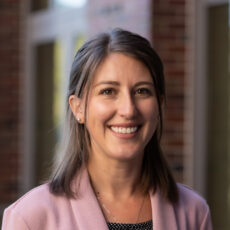
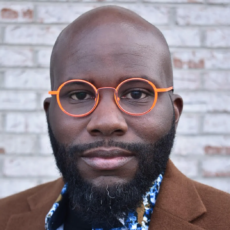
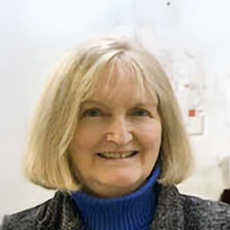
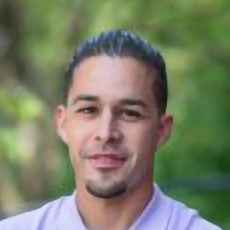
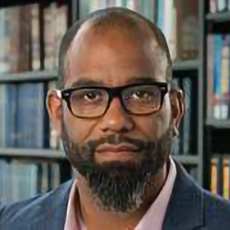
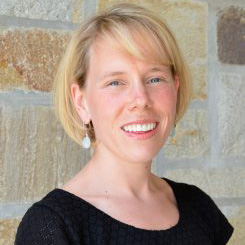
You can meet the Poverty Solutions team by clicking through the headshots below. We hope you will stay connected to our work and join in the conversation by subscribing to our newsletter, following us on LinkedIn, or giving to support the research. Together, we can continue to make a positive difference in the lives of millions of people by advancing new solutions to poverty.
You can meet the Poverty Solutions team by clicking through the headshots below. We hope you will stay connected to our work and join in the conversation by subscribing to our newsletter, following us on LinkedIn, or giving to support the research. Together, we can continue to make a positive difference in the lives of millions of people by advancing new solutions to poverty.
Meet the Poverty Solutions team















The 2025 Impact Report for the University of Michigan’s Poverty Solutions was prepared by Lauren Slagter, Karissa Knapp, and Joe Payovich. Poverty Solutions used AI to refine the content in this report. Photos and videos used in this report are from Michigan Photography, Poverty Solutions, and licensed through Shutterstock and Canva. Headshots provided by the individuals pictured.